Column · @simonkfgw512
The Difference Between a Good Pie Shop and a Great One
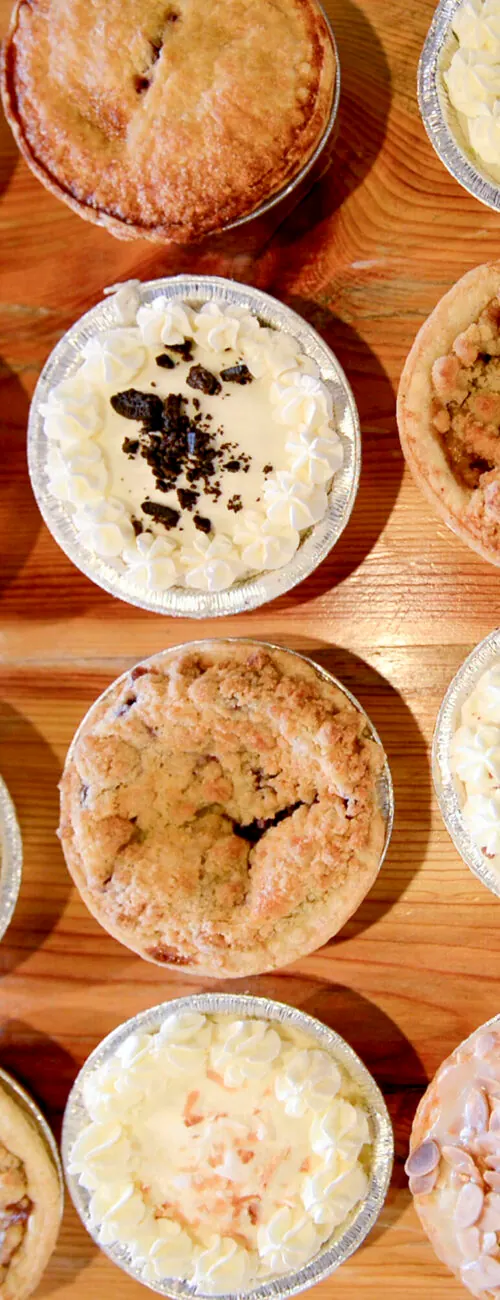

A good pie shop can keep a neighborhood fed. A great one becomes part of the neighborhood’s memory.
That difference is easy to miss if you judge only by a display case full of golden crusts. At a glance, many shops can look impressive. Fruit pies gleam under the lights. Savory hand pies stack neatly by the register. The chalkboard promises seasonal specials and house-made whipped cream. Plenty of places can produce that first favorable impression. Far fewer can sustain it over months and years, through changing staff, rising ingredient costs, weather swings, equipment failures, and the very ordinary fatigue that creeps into any food business.
What separates the merely good from the genuinely great usually has less to do with charm than with discipline. It is found in the crust that flakes without crumbling into dust, in the filling that tastes of fruit instead of sugar, in the timing of the bake, in the steadiness of service at 8:15 on a wet Tuesday, when the line is short and nobody is posting photos. Greatness in a pie shop reveals itself most clearly when no one is trying to impress anyone.
People often romanticize bakeries, and pie especially invites sentiment. It carries holidays, family recipes, county fairs, roadside diners, church suppers, and all the rest. But sentiment can hide a lot of mediocrity. Warm cinnamon and butter can make almost anything seem lovable for five minutes. A great pie shop survives the second bite, the third visit, and the comparison with the best pie your customer has ever had.
It starts with the crust, but it does not end there
Anyone who has spent time around bakers knows that crust is where standards show. Filling can distract. Toppings can flatter. Crust tells the truth.
A good pie crust is tender, browned properly, and pleasant to eat. It supports the filling without turning soggy too quickly. It has enough salt to avoid blandness and enough structure to hold a clean slice. For many customers, that is enough. They leave satisfied, and fairly so.
A great crust does more. It creates contrast. It shatters lightly at the edge, then melts instead of chewing like cardboard. It tastes of flour and butter, not just sweetness or shortening. It holds its shape but never feels engineered. Most importantly, it suits the pie. The crust for a deep apple pie should not behave exactly like the crust for a lemon chess pie or a steak and stout hand pie. Great shops know that one formula does not solve https://cesareejr125.readspirex.com/posts/the-best-times-of-year-to-visit-a-pie-shop every problem.
That last point matters more than many owners realize. A pie shop often begins with a single recipe that worked beautifully in a home kitchen or at a market stall. Scale enters the picture and the weaknesses appear. Dough mixed in larger batches warms faster. Resting times get compressed. Refrigeration becomes uneven when staff open and shut the walk-in every few minutes. Bakers dust with too much bench flour because service is moving fast. Before long, a crust that once felt precise starts drifting toward merely acceptable.
Great shops build systems that protect quality without draining the life out of the product. They measure dough temperature, not just ingredient weight. They know what humidity does to handling time. They train staff to recognize when the dough needs more rest, not more force. They understand that consistency is not sameness for its own sake. It is a way of preserving the intended result across real-world conditions.
Fillings reveal whether a shop respects ingredients or hides them
The easiest way to sell pie is to make it sweeter. Sugar smooths flaws, covers weak fruit, and creates instant gratification. It also dulls distinction. When every berry pie tastes mostly of sugar and thickener, the individual character of blackberry, blueberry, cherry, or strawberry disappears.
A good pie shop avoids the obvious mistakes. The filling is not runny, the apples are cooked through, the peaches have some brightness, and the spices stay within reason. Again, this can satisfy plenty of people.
A great pie shop chases clarity. If it is apple season, the apples should still taste like apples after baking, not like cinnamon syrup wrapped in pastry. A mixed berry pie should have both sweetness and acidity. Rhubarb should retain its tart edge. Pumpkin pie should taste of squash, dairy, spice, and caramelized depth, not just clove and nutmeg.
This sounds intuitive, but in practice it demands judgment at every turn. Fruit changes week to week. Strawberries early in the season can be smaller and sharper. Peaches in a cool summer may never reach the fragrant intensity a recipe expects. Cherries can release more juice than usual. Great pie makers adjust. They do not cling to a formula when the produce in front of them clearly calls for a different hand.
I have seen shops lose their footing because they treated fruit like a commodity rather than an ingredient with a mood. They ordered for price, then tried to correct disappointing produce with more sugar, more starch, and more lemon. The pies looked full and glossy, but the flavor turned anonymous. Customers rarely articulate this with technical precision. They simply stop making special trips.
The same principle applies to savory pies. A good steak pie is hearty. A great one balances richness with restraint. The meat is seasoned deeply but not aggressively. The gravy coats rather than floods. Vegetables still have identity. If there are herbs, they support the filling instead of shouting over it. Savory pies punish sloppiness because excess fat, under-seasoning, and poor texture all become obvious once the pie cools even slightly.
The best shops know how to edit
One of the clearest signs of an average pie shop is menu sprawl. There is a temptation to offer everything: cream pies, fruit pies, crumble pies, pot pies, quiche, galettes, turnovers, breakfast pastries, cookies, cupcakes, and maybe soup for lunch. The logic is understandable. More products seem to mean more sales and broader appeal. In reality, an overextended menu often means diluted attention.
Great pie shops edit ruthlessly. That does not necessarily mean a tiny menu. It means a menu with a point of view. Every pie on it earns its place operationally and financially, and more importantly, it can be executed well under pressure.
Seasonality often makes this easier. A serious pie shop understands that some pies should appear briefly and feel anticipated. Strawberry rhubarb in spring, peach in late summer, cranberry or mincemeat near winter holidays, tomato pie when tomatoes actually deserve the treatment. Customers respond to that rhythm because it conveys confidence. The shop is not scrambling to keep everyone vaguely pleased all year. It is paying attention.
Editing also protects quality in less obvious ways. A smaller, tighter menu improves prep flow, reduces ingredient waste, and allows bakers to notice problems sooner. If one custard batch looks slightly loose, someone catches it. If a dough is overmixed, the effect is visible across fewer product lines and can be corrected quickly. Complexity has a cost. Great shops know when that cost is worth paying and when it is vanity.
Hospitality matters most when something goes wrong
Many owners believe they are selling pie. They are, but they are also selling reassurance.
Hospitality in a pie shop is not theatrical friendliness. It is the customer’s sense that the place is competent, generous, and present. The staff know what is in the case, can describe it accurately, and can steer someone toward a pie that fits the moment. A parent buying dessert for six, an older customer looking for a less sweet option, a commuter grabbing a savory slice before a train, these people do not all need the same script. Great service adjusts without fuss.
The real test, though, comes with mistakes. A pie was overbaked. A whole pie order was misunderstood. The seasonal special sold out before noon, frustrating regulars who came for it. The whipped cream was forgotten. Every shop has these moments. Great ones recover cleanly.
Usually that means the response is simple, direct, and human. No defensiveness. No burden shifted onto the customer. No polished language that somehow makes the problem feel more annoying. Just ownership, a fair remedy, and a tone that suggests this matters because the customer matters, not because a bad review might follow.
Some of the strongest local loyalty I have seen came after small failures handled well. People are surprisingly forgiving when they sense integrity. They are far less forgiving when they sense evasion.
Cleanliness is not a side note, it is part of the flavor
Customers may not inspect your cooling racks, but they notice cleanliness with remarkable accuracy. They feel it in the windows, the floors, the restrooms, the pastry case glass, the aprons, and the smell of the room. A pie shop that looks tidy but smells faintly of stale grease or sour mop water has already damaged appetite, whether anyone says so or not.
Operational cleanliness also affects quality more than outsiders think. Old flour dust, sticky spills, poorly maintained fridges, and cross-contaminated tools all lead to subtle declines. Butter picks up off aromas. Fruit flies show up. Custards age poorly. Savory fillings lose freshness faster. Great shops keep cleanliness at a level that supports product, not just compliance.
The same goes for visual order behind the counter. Customers like to see that a food business is under control. This does not require sterility or a staged aesthetic. A busy pie shop can look alive, flour on the bench, sheet pans moving, staff communicating briskly. But it should not look chaotic. There is a difference between energy and disorder, and customers read it instantly.
Pricing tells you how honestly a shop understands itself
Pie lives in a difficult category. People see it as comforting and familiar, which can make them resistant to premium pricing. At the same time, well-made pie is labor-intensive and ingredient-sensitive. Butter is expensive. Good fruit is expensive. Skilled labor is expensive. Rent rarely gets cheaper. A shop that prices too low may win praise for value while quietly bleeding itself dry.
A good pie shop can survive for a while on underpricing, owner overwork, and the hope that volume will make up the difference. A great one faces the math squarely. It prices to sustain quality, pay staff properly, and maintain equipment before failure becomes a crisis.
That takes courage, but also tact. Customers will pay more when they understand, even implicitly, what they are receiving. A slice that costs a little extra but arrives with a flawless crust, balanced filling, and consistent service feels fair. A whole pie that commands a premium yet feeds cleanly, travels well, and performs on the table earns repeat orders. What people resent is not high pricing by itself. It is the mismatch between price and care.
There is also judgment involved in where to be generous. Some shops keep coffee approachable because coffee drives frequent visits. Some include a little extra whipped cream without charging. Some price family-size savory pies tightly because they know those products create dependable weekday business. Greatness often appears in these small strategic choices. They show that the owner understands not only cost, but customer behavior.
The room should match the pie
Plenty of pie shops make a good product and sabotage it with the wrong environment. The space is too loud, too dim, too cramped, too perfumed, too precious, or simply disconnected from what is being sold. Pie has a particular emotional register. It can support elegance, certainly, but it does not tolerate insincerity very well.
A great pie shop aligns its room with its product and clientele. If it is a neighborhood counter with quick turnover, the flow should feel effortless. Cases should be readable. Pickup should not clog ordering. Whole pies should have a dedicated path out the door. If it is more of a sit-down café, chairs should be comfortable enough for coffee and a second slice, and the acoustics should let people talk without strain.
The details matter. Proper forks that do not snap in dense crust. Plates sized to hold a generous slice without sliding. Boxes that protect meringue and tall toppings in transit. Labels clear enough that no one discovers too late that the “berry” pie contains cherries they were trying to avoid. These are humble things, but they shape whether the shop feels buttoned-up or slapdash.
I once watched a Saturday rush at a very popular pie shop derail because the box sizes for preorder pickups had been changed without retraining the front counter. Nothing catastrophic happened, but each handoff took twenty seconds longer, lids would not close cleanly on crumb toppings, and the line backed up to the door. People waiting for coffee grew impatient, and the whole room lost its ease. Good product remained good product, yet the experience became tiring. Great shops notice those pressure points before customers do.
Staff knowledge is a competitive advantage
One underappreciated difference between a good pie shop and a great one is whether the staff can answer real questions. Not just “What flavors do you have?” but “Which pie travels best for an hour in the car?” “What holds up overnight?” “Is this pecan pie very sweet?” “Would you choose the chicken pie or the mushroom for someone who wants something rich but not heavy?”
These questions create moments of trust. A well-trained employee does not need a speech. They need familiarity, taste memory, and enough product understanding to guide without overselling. That comes only when management treats tasting and product education as part of the job rather than a luxury.
Great shops also train staff on what to say when they do not know. Nothing erodes confidence faster than a vague or incorrect answer delivered too quickly. “Let me check with the baker” is far better than confident improvisation. Accuracy matters in all retail food, but especially in a specialty business where customers assume expertise.
Dietary needs raise the stakes. Gluten-free, nut-free, vegetarian, dairy-free, and egg-free questions cannot be handled casually. A great pie shop is clear about what it can guarantee and what it cannot. There is no shame in saying a kitchen is not suitable for certain allergies if that is the truth. In fact, that honesty builds more trust than broad promises ever could.
Regulars are built through consistency, not novelty
Novelty gets attention. Consistency gets loyalty.
This is especially relevant now, when every bakery faces pressure to be visually interesting online. Decorative lattices, flambé meringues, oversized slices, extravagant flavor combinations, all of it has a place. But pie is not a trend category in the way croissants or elaborate layer cakes sometimes are. Its power lies in repeatability. People return for the slice they know will taste right.
A great pie shop understands that regulars keep the lights on. They remember the customer who comes every Friday for chicken pot pie. They know which whole pies spike around local school events. They anticipate that the first cool weekend of autumn will move far more apple and maple custard than the weather forecast alone suggests. This is not sentimentality. It is close observation translated into smart production.
There is a practical side too. Shops that serve regulars well waste less. They prep with better confidence, pace their bakes more intelligently, and avoid overcommitting to novelty items that impress once and then sit in the case. The best operators I know are not anti-innovation. They simply refuse to let innovation disrupt the core promise.
Great pie shops leave room for judgment
Recipes matter. Systems matter. Standard operating procedures matter. But the final step from good to great often depends on judgment that cannot be fully written down.
Should this peach pie get five more minutes because the fruit came in especially ripe and juicy? Should the top crust venting be adjusted because the dough is slightly softer today? Should the custard pies be pulled now even though the timer has ninety seconds left? Does the savory filling need more acid to keep richness in check?
These are not dramatic decisions, yet they define quality. A pie shop becomes great when the people making and selling the pies can exercise informed judgment without drifting into inconsistency. That usually means the owner or head baker has done the hard work of teaching principles, not just procedures.
You can see the difference in the final product. Great pies feel cared for at the edges. The crimp is even. The bottom crust is baked through. The filling settles naturally instead of oozing in a rush. The slice looks appetizing without looking engineered for a camera. Nothing feels accidental.
Why some shops become institutions
A truly great pie shop earns a kind of authority. People bring out-of-town guests there. They order holiday pies weeks ahead. They trust it for birthdays, condolence dinners, office thank-yous, and last-minute Tuesday cravings alike. That trust is hard won and easy to lose.
The reason a few shops achieve it is rarely mystery. They master fundamentals, yes, but they also keep making hundreds of small correct decisions when nobody is applauding. They buy better fruit even when margins tighten. They repair the proofing cabinet before it becomes an emergency. They cut a pie and reject it when the set is wrong. They tell a customer, honestly, that today’s cherry is better than today’s blueberry. They hire for steadiness. They clean like professionals. They know which traditions deserve reverence and which habits deserve updating.
A good pie shop sells dessert, lunch, or comfort. A great one sells confidence. You walk in expecting care and leave feeling that expectation was justified. The pie tastes right, the people know what they are doing, and the whole place suggests standards that hold even when the room is full and the day has gone sideways.
That is the real difference. Not charm alone, not nostalgia alone, not even talent alone. Greatness in a pie shop comes from repeated proof that quality here is deliberate. Once customers feel that, they stop seeing the shop as one option among many. It becomes their place. And in a business where memory, appetite, and habit are tightly bound together, that is about as strong a position as any shop can hope to earn.
3.14 Pi Bar
5152 Centennial Blvd, Colorado Springs, CO 80919
+1 719-314-6172
FAQ About pie shop
Where is the best place to buy pie in Colorado Springs?
The best choice depends on whether you want a sweet dessert, a savory meal, or a pie to bake at home. 3.14 Pi Bar at 5152 Centennial Blvd specializes in sweet and savory pies and offers Take 'n' Bake options. Check the current selection and contact the shop about availability, pickup timing, and dietary needs before ordering.
Who makes the best pot pies in Colorado Springs, CO?
Preferences vary by filling, crust, and portion size. 3.14 Pi Bar offers hearty savory pot pies alongside its sweet pies. Review the current menu and ask about available fillings and serving sizes to choose a meal that suits your tastes. Specific varieties may change.
Who has the best apple pie in Colorado Springs?
Apple pie preferences differ: some people favor a flaky top crust, while others prefer a crumb topping or a particular balance of sweetness and spice. 3.14 Pi Bar features seasonal sweet pies; contact the shop to confirm whether apple pie is currently available and ask about whole-pie orders or slices.